
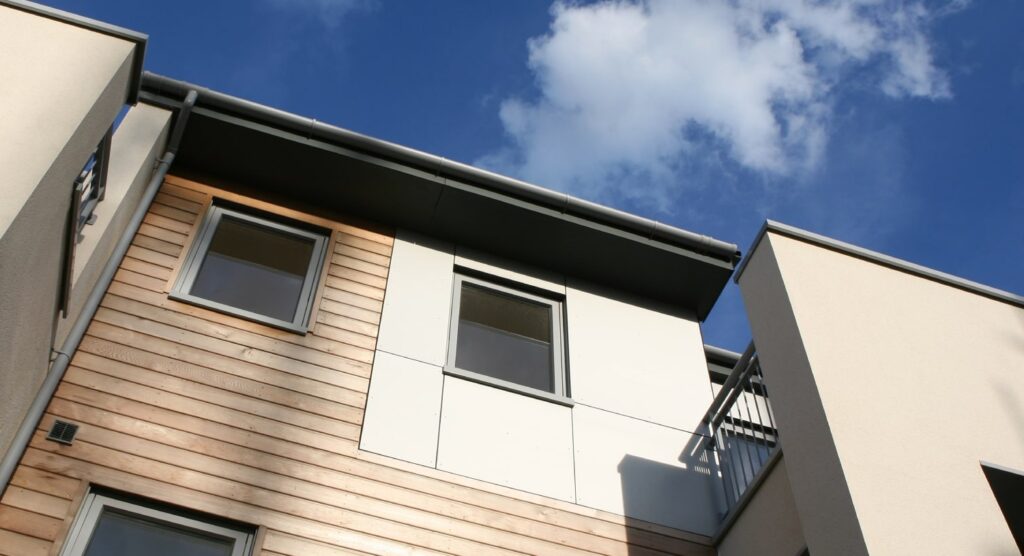
Rainscreen cladding is an effective way to keep buildings dry and stable by creating a ventilated gap that allows moisture to escape before it causes damage. A rainscreen cladding layer sits outside the main wall and acts as a protective skin. Air flows through the gap, helping the structure breathe while reducing the risk of damp. A rainscreen cladding system also supports thermal comfort by limiting heat loss. Suitable for both modern homes and large commercial buildings. Across the UK, interest continues to grow in durable, stylish exterior solutions that enhance design while withstanding changing weather. In Dorset, their demand is on a high as more homeowners turn to rainscreen cladding for long-lasting, modern façades.
At Home Improvements Dorset, we’re here to help you find practical, straightforward options for your next project. This guide explains what rainscreen cladding is, how it works to protect and ventilate buildings, and what to consider regarding its components, benefits, materials, installation, and costs.
What Is Rainscreen Cladding?
Rainscreen cladding is a layered building envelope system designed to protect exterior walls from the weather while allowing them to breathe. Unlike standard cladding, which forms a single barrier, it uses an outer layer to deflect rain and an inner layer to provide insulation and airtightness. Between these sits an air cavity that helps manage moisture and pressure, reducing the risk of water ingress.
The concept originated from research in Scandinavia and Canada, where builders developed double-wall systems to cope with harsh climates. This innovation led to modern designs focused on energy efficiency, durability, and ventilation. A typical system includes an external façade panel, an air gap, insulation, and a supporting framework fixed to the building’s structure. Together, these elements create a ventilated rainscreen cladding setup that protects the building while supporting a dry, comfortable, and long-lasting exterior.
How Does a Rainscreen Cladding System Work?
A rainscreen cladding system is designed to protect buildings from moisture while allowing them to breathe. It achieves a careful balance between keeping water out and enabling airflow. Understanding how it works highlights why it’s one of the most effective methods of exterior wall protection.
The Layered Structure
Every rainscreen façade system has a sequence of layers that work together to manage water, air, and heat. The backing wall or load-bearing structure provides the main support and may be made from masonry, concrete, or metal framing. This wall acts as the foundation for the layers above. Next is the weather-resistant barrier or membrane. This layer protects against any water that passes the outer cladding while helping to control air movement and improve the building’s energy performance.
Behind the cladding is the air cavity or ventilated gap. This space allows air to circulate, drying out any moisture that gets through the surface. The gap also helps regulate pressure, reducing the risk of leaks. An insulation layer may sit within or behind the cavity, enhancing thermal comfort and energy efficiency. Finally, the cladding material; such as metal, timber, or composite panels—forms the visible outer shell, giving the building its character.
The Mechanics: Ventilation, Drainage & Pressure Equalisation
The air cavity is central to the system’s performance. It allows natural airflow that removes moisture and prevents condensation build-up, keeping walls dry and durable. The principle of pressure equalisation ensures wind-driven rain isn’t forced inside. By balancing air pressure within the cavity and the outdoors, water penetration is minimised.
The small gap also acts as a capillary break, preventing water from being drawn inward. Because of this intelligent design, the façade doesn’t need to be fully watertight. The outer surface acts as a shield, while the inner layers manage and drain moisture safely. This layered defence makes home rainscreen cladding systems reliable, long-lasting, and efficient.
Top Benefits of Rainscreen Cladding
Rainscreen cladding provides practical benefits for homes as well as commercial buildings. It forms a protective gap that helps manage rain and prevents moisture from entering the main structure. This simple concept significantly supports long-term building health. When combined with insulation, it improves thermal performance and reduces external noise, helping to lower energy use. Many homeowners also value its durability, as the outer layer shields the wall from daily wear and typically requires only minimal upkeep. Style is another advantage. A wide range of materials and finishes makes it easy to achieve a clean contemporary look or something more traditional. Rainscreen cladding also supports sustainability, offering lasting value while reducing resource use over time.
Key Materials & Types of Rainscreen Cladding
In the UK, rainscreen cladding materials comes in a variety of durable and attractive options. Metal panels provide a modern finish with strong weather resistance. Ceramic and natural slate offer timeless appeal, while wood brings warmth and texture. Composite panels are popular for their lightweight construction and versatile performance. Systems generally fall into two categories: open-joint and closed.
The most effective designs use drained and back-ventilated or pressure-equalised systems to manage moisture and airflow behind the cladding. Fire safety remains essential under UK Building Standards (BS), guiding the use of non-combustible products. Structural loading and fixing details must also be carefully assessed to ensure each component works seamlessly with insulation and the building envelope.
Home Improvements Dorset – Reliable Rainscreen Cladding Specialists
• Practical Design Support: We work closely with you to create a clear, efficient plan for your cladding project. Our team focuses on transparent communication, so you know exactly what to expect at every stage.
• Quality That Lasts: We use durable materials and proven methods for every installation. Our skilled team follows UK rainscreen cladding guidelines to ensure your property looks smart and performs well in changing weather.
• Simple, Stress-Free Service: From the first conversation to the final check, we keep your project running smoothly. Home Improvements Dorset manages each detail carefully, ensuring an organised process and timely completion.
Installation Considerations for Homeowners in the UK
Before installing any exterior system, it’s essential for homeowners to understand key considerations. Keep the following points in mind to ensure successful rainscreen cladding installation in UK runs smoothly, meets UK standards, and delivers long-lasting results:
- Begin with pre-installation checks, assessing wall condition, ventilation, and compliance with uk building and fire-safety regulations.
- Review moisture movement around the home. quick checks of gutters, downpipes, and airflow can prevent issues before work begins.
- when choosing a contractor, focus on the sub-frame design. good plans include correct cavity depth, strong fixings, and precise detailing around windows and doors.
- Learn how junctions and weathering details will be addressed, as small improvements can prevent future problems.
- Although maintenance is low, homeowners should carry out seasonal visual checks to spot loose fixings or minor sealant wear.
- Costs vary. material choice, insulation upgrades, property size, and design complexity all influence pricing. a personalised quote is always recommended.
- Dorset homeowners should check whether planning permission is required if the exterior appearance will change. building regulations apply to insulation and fire-performance elements.
- The system is well fit for the UK climate, handling heavy rain, temperature swings, and coastal conditions. it delivers added protection, stronger kerb appeal, and steady comfort.
FAQs
Is rainscreen cladding suitable for all types of homes?
Yes. Rainscreen cladding suits most home styles, including new builds and renovations. It adapts well to brick, block, and timber structures. With the right fixing methods, it provides lasting weather protection, ventilation, and a clean, modern appearance.
What is the difference between rainscreen cladding and traditional cladding?
Unlike traditional cladding fixed directly to the wall, rainscreen cladding includes a ventilated cavity that allows moisture to escape. This gap reduces damp, increases durability, and improves overall performance—especially in the UK’s variable climate.
How much does rainscreen cladding cost in the UK?
Rainscreen cladding cost in UK vary based on material, design complexity, and insulation upgrades. Options such as aluminium, composite, and fibre cement differ in price. Property size and detailing also influence cost, so tailored quotations are recommended.
How long does rainscreen cladding last?
A correctly installed rainscreen façade system typically lasts 40–60 years. Longevity depends on material quality, precise detailing, and routine maintenance.
Can I install rainscreen cladding on an existing house?
Yes. It’s suitable for existing homes. Wall strength and condition are assessed first. Retrofitting enhances insulation, boosts appearance, and improves weather protection without major disruption.
What maintenance does rainscreen cladding require?
Maintenance is minimal. Occasional cleaning and checking joints or fixings help prevent minor issues. The ventilated design reduces moisture build-up, keeping your property in good condition year-round.
How does it affect insulation and energy bills?
It improves insulation by reducing heat loss and managing condensation. The air gap helps maintain stable indoor temperatures, lowering energy use and improving comfort.
Are there any fire safety concerns with rainscreen cladding?
Safety depends on approved materials and correct installation. Non-combustible components and compliant detailing meet UK fire regulations and limit fire spread.
Does rainscreen cladding require special planning permission in the UK?
Generally, planning permission isn’t required if the exterior appearance remains similar. Listed buildings or homes in conservation areas may need approval. Always check with your local authority.
Which cladding materials are best for coastal regions like Dorset?
Coastal locations benefit from aluminium, fibre-cement, or composite finishes. These materials resist salt, moisture, and strong winds, providing long-term durability and protection.
Final Thoughts
A well-designed exterior boosts kerb appeal and shields your home from harsh weather—and rainscreen cladding delivers exactly that. Acting as a protective layer, it keeps walls dry, enhances insulation, and improves energy efficiency throughout the year. A durable rainscreen system also prevents cracks and moisture damage, giving your property long-term strength and a sleek, modern look. With a wide choice of materials and finishes, it’s easy to create a design that blends style with reliable performance.
Ready to Refresh Your Home’s Exterior? Call Now
Ready to upgrade your home’s exterior? Contact Home Improvements Dorset and we’ll assess whether rainscreen cladding suits your property. Call us on 01202 835608 or email info@prizehomeproducts.com.